
Councillors rejected the draft plan for 42,704 homes after £1.04m of work. A replacement takes 30 months, and officers warn of speculative development.
Update, 19 September: the Government has overruled this decision. A direction issued on 15 September under section 27 of the Planning and Compulsory Purchase Act 2004 orders the council to consult on the rejected draft by 5 October and submit it for examination by 31 December. Our full report on the intervention. The account below stands as the record of the committee’s decision.
West Northamptonshire Council has thrown out the draft Local Plan it has spent seven years and more than £1m preparing, and will start a new one instead.
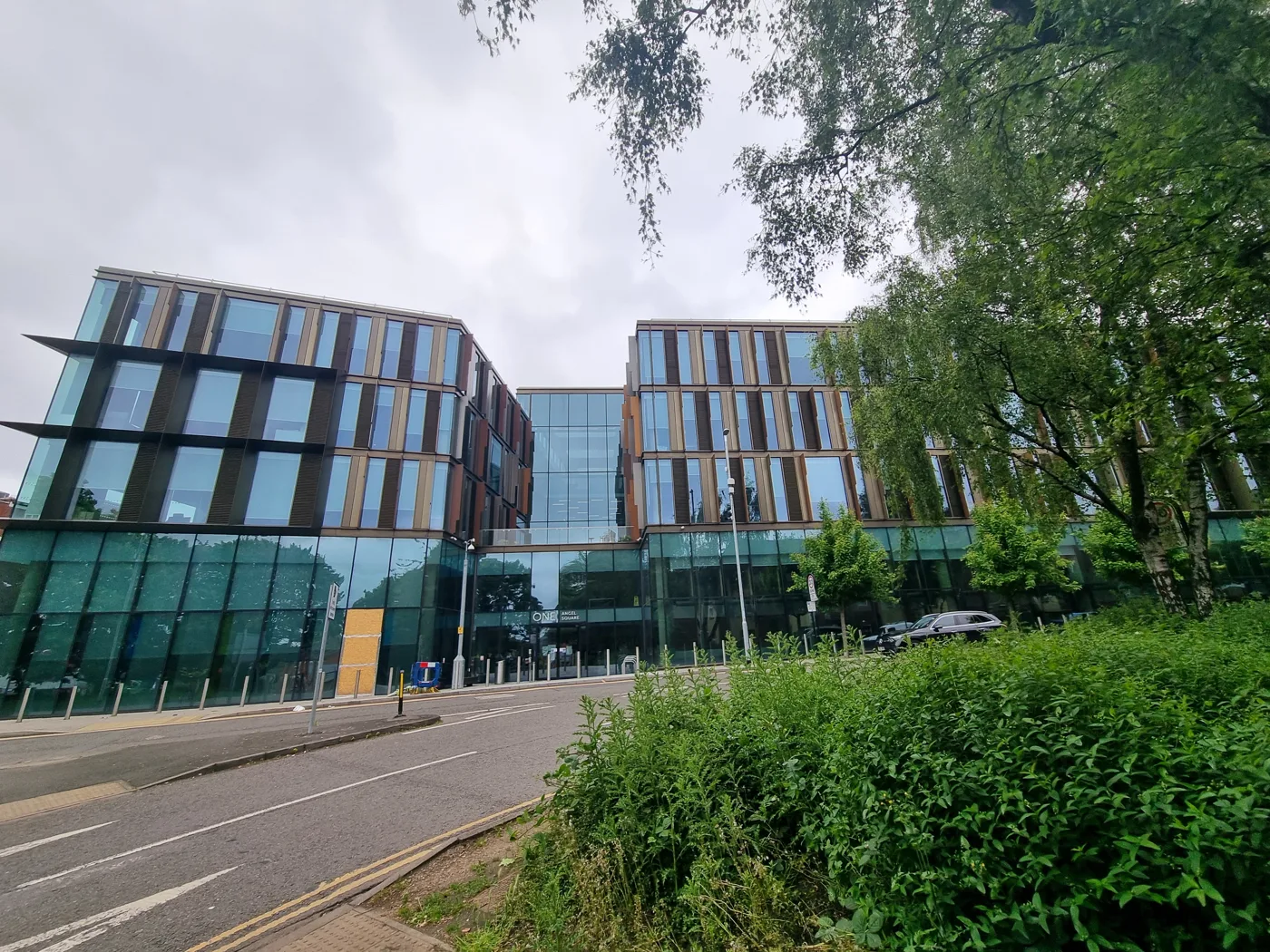
The Planning Policy Committee took the decision at One Angel Square on the evening of Monday 14 September. It rejected the Regulation 19 draft plan, the version the council had intended to send to a government inspector before Christmas, and agreed that a new plan be prepared under the 2026 National Planning Policy Framework. (West Northamptonshire Council, 15 September 2026)
The rejected draft would have set the rules for development across Northampton, Daventry, Towcester, Brackley and every village in between until 2043. Its replacement will not be in place for years.
What the scrapped draft contained
The Regulation 19 draft, published in the committee’s papers, set out:
- a housing need of 2,512 homes a year, about 17% above the average of the last five years of completions
- a requirement of 42,704 homes over the plan period 2026 to 2043, cut from the 45,054 in the previous draft because a year of the plan period had elapsed
- provision for about 44,800 homes to be built, through allocations, existing commitments and neighbourhood plans
- affordable housing at 10% in the Northampton and Daventry urban areas and 35% everywhere else, on sites of 10 or more dwellings, replacing a flat 40% requirement
- 63 new Local Green Spaces, chosen from 149 that were assessed
- an allocation for around 300 homes at Collingtree Golf Course dropped, after further consideration of the effect on the green space
(Local Plan committee report, 14 September 2026)
The committee’s vote set all of that aside. The Government’s direction has since put the same draft, dropped Collingtree allocation included, back on the road to examination.
The rural objections that shaped it
The council consulted on an earlier draft between 29 January and 27 March this year. A total of 6,184 respondents made submissions, most by email, with 689 through the online portal and 44 by post. They also produced 159 nominations for new Local Green Spaces and 140 new calls for sites.
One allocation dominated. Harlestone Parish Council hand-delivered 3,638 individual responses in the form of a pre-written letter objecting to Policy N6 (xxvii), which proposed 100 houses at Harlestone Firs. The other policies drawing heavy objection were Collingtree Golf Course, Long Buckby, land north of Newport Pagnell Road, land east and west of the A43, and the rural areas chapter, including Woodford Halse.
Officers had already responded to some of it. Housing need at all R6 villages was cut by roughly 15%, and Staverton and Stoke Bruerne were moved down the settlement hierarchy from Secondary Service Villages to Other Villages.
Councillor Thomas Manning, chairman of the committee and Cabinet member for planning, said the scale of that response was part of the reason for starting again. “Over 6,000 responses to the Plan’s recent consultation is a huge level of public engagement and among these responses were a number of concerns expressed by our communities, particularly around the proposed scale of growth for rural areas,” he said. “Only very limited changes can be made to the current draft Plan at this stage and we need more time to fully address residents’ concerns.”
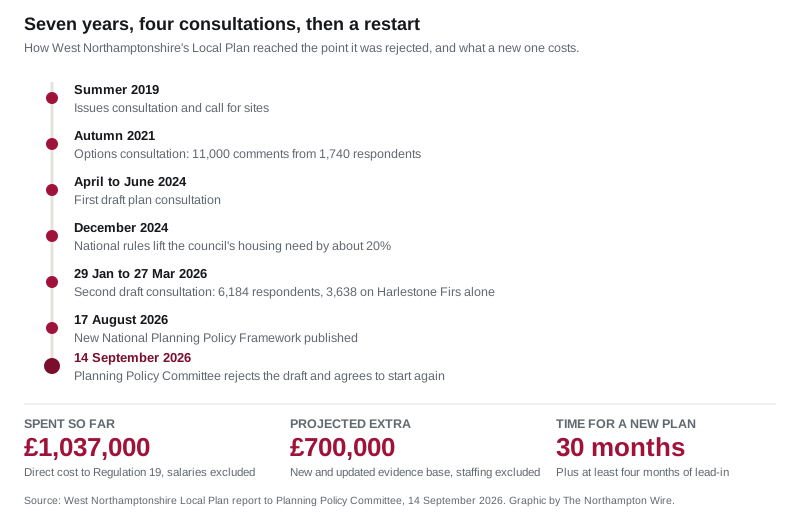
The plan has been in preparation since the summer of 2019, when the council ran an issues consultation and a call for sites. An options consultation followed in autumn 2021, drawing 11,000 individual comments from 1,740 respondents, and a first draft went out between April and June 2024. That draft was overtaken in December 2024, when a change to national planning rules pushed the council’s housing need up by roughly 20% and forced a second draft. A new National Planning Policy Framework was then published on 17 August 2026, five weeks before the committee met.
What officers told councillors it would cost
The committee report put two options in front of members and did not hide the consequences of the one they chose.
Direct spending on the plan from vesting day, the point the unitary council took over, to the Regulation 19 draft has been approximately £1,037,000, and that figure excludes salaries. A new plan is an additional cost on top, projected at about £700,000 for new and updated evidence, excluding staffing and the cost of the examination itself.
The timetable is the harder number. The old system required submission to examination by 31 December 2026. The new one is a 30-month plan-making period plus at least four months of lead-in time.
Officers also set out three risks in plain terms:
- there is “a probable risk” that the government will issue the council with a direction compelling it to progress the rejected draft anyway
- if that happened while the new plan was under way, the council could end up paying for two Local Plans at once, with every planning policy officer currently working on the old one
- the area would be left with no up-to-date strategy, “more vulnerable to speculative development”
Cllr Mark Arnull, leader of the council, said he accepted those risks. “We fully recognise that preparing a Local Plan is a lengthy and costly process and that starting again carries risks around a continued reliance on existing plans and the potential for speculative development in the meantime,” he said. “But the risks of rushing this Plan through and potentially getting it wrong for our residents and future generations far outweighs this.”
He said the decision was “not about whether the current draft Plan is technically sound or deliverable”, and pointed to uncertainty over devolution as a reason to wait.
What it means for you
The old plans stay in charge. Planning applications in West Northamptonshire continue to be decided against the West Northamptonshire Joint Core Strategy, adopted in December 2014, and the three Part 2 plans inherited from the former councils: Northampton’s from 2023, Daventry’s and South Northamptonshire’s from 2020. The committee report says those plans have only three years left of their plan periods.
A weak hand against developers gets no stronger for now. The council’s own report says continuing with the draft would have started to address the five-year housing land supply shortfall sooner, and that a new plan delays it. Where a council cannot show five years of housing land, it is harder to refuse applications on sites it has not allocated. We track what is coming forward on our Northampton planning news page.
If you responded in January, the draft you responded to is still alive. The Government’s direction of 15 September means the Regulation 19 draft goes out to consultation after all, by 5 October at the latest. What the direction requires.
Sources
- Council decides to reset work on future Local Plan for West Northamptonshire, West Northamptonshire Council, 15 September 2026
- West Northamptonshire Local Plan, Regulation 19 Local Plan: report to Planning Policy Committee, 14 September 2026
- Agenda, Planning Policy Committee, 14 September 2026, West Northamptonshire Council
Have your say